Nutrition 101

In this section we’ll go over nutrition basics, then see below for a library of videos that we feel are very important to learn about different health needs for your pets. Use our symptom checker on the Start Here page to get a customized video list and information based on your pet’s needs.
Here, we’ll cover:
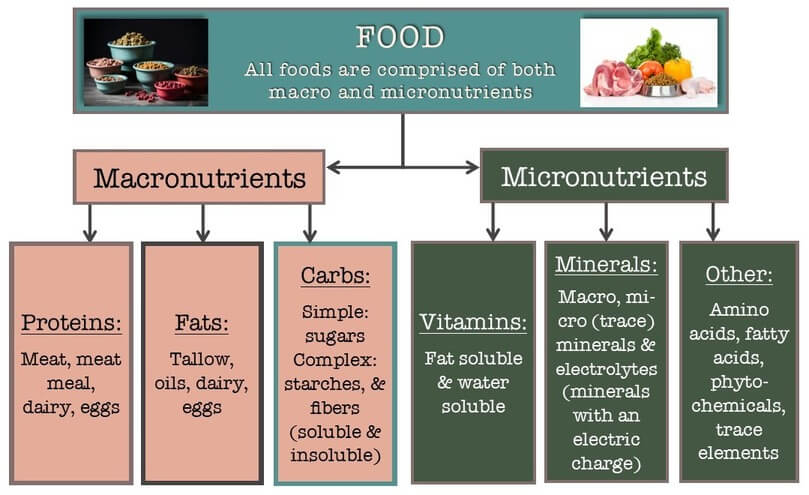
- Macro and micronutrient distinctions and our macro recommendations for cats and dogs
- Micronutrients needed and when to vary them
- Importance of low-toxicity foods and home products
Macronutrients
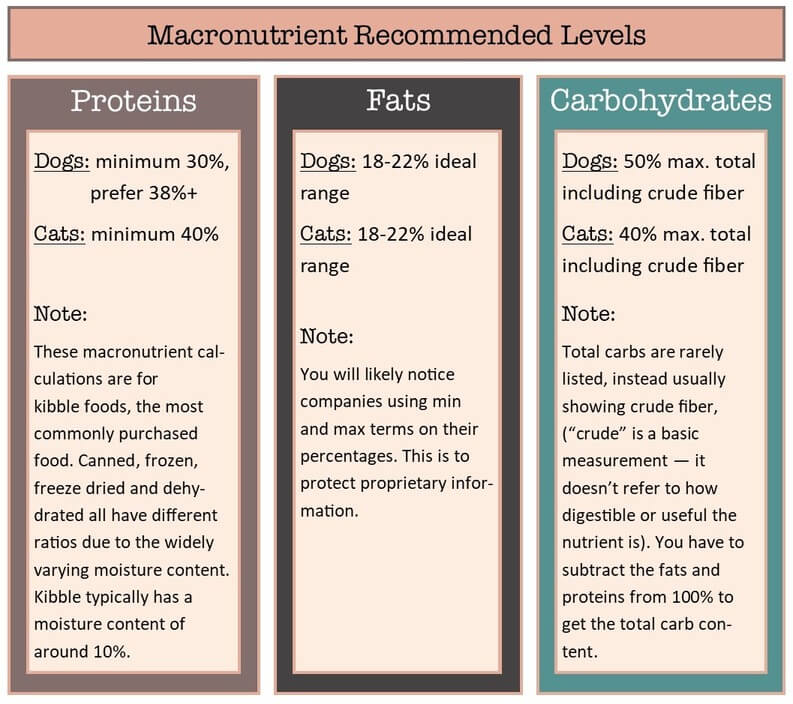
The macronutrients are the three energy sources, (you can also think of them as the calorie sources. The calorie is a unit of measurement of that energy) of the food your pet is consuming. Our macronutrient level recommendations, and our standard for any food that we sell are:
Micronutrients
Micronutrients include electrolytes, vitamins, and minerals, and while they’re needed in smaller amounts than proteins or fats, their impact on health is anything but small. Just like us, our pets rely on an appropriate balance of micronutrients to keep their bodies functioning properly. When electrolytes, vitamins, or minerals fall out of balance, either too low or too high, a wide range of symptoms can occur. Deficiencies and toxicities can both interfere with everything from digestion and energy levels to skin, immune function, and organ health.
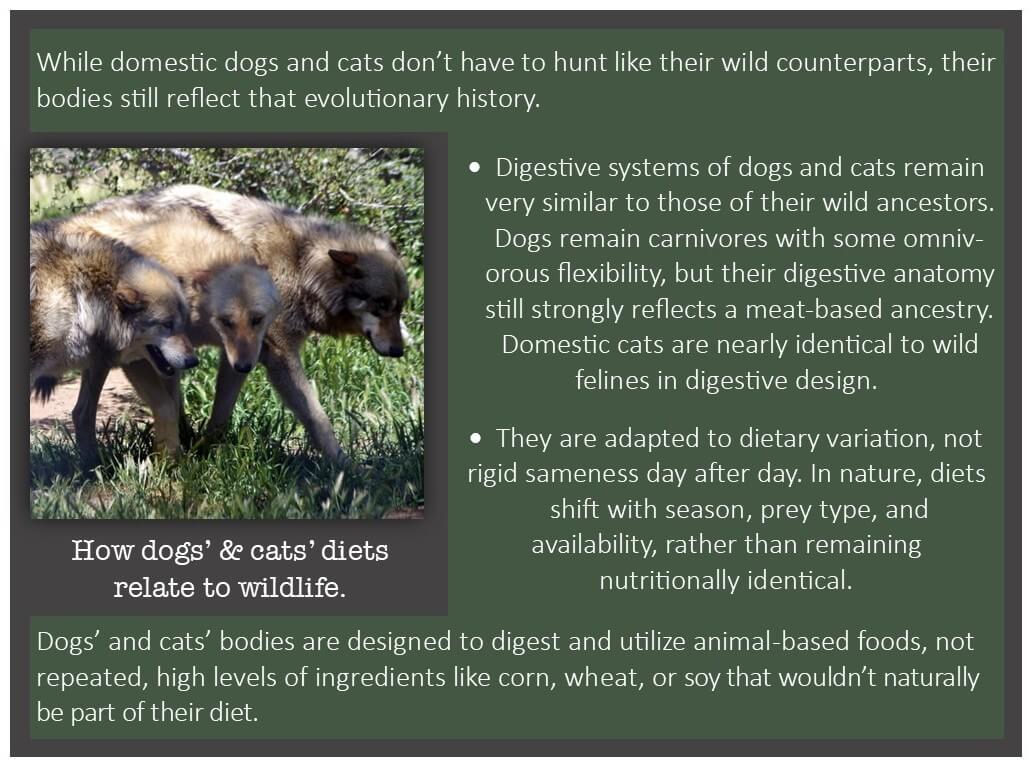
This is one of the reasons we often recommend rotating your pet’s food, similar to protein rotation. In nature, animals don’t eat the exact same thing every day, year after year. Wild animals (and even bugs!) eat what’s available seasonally. Their bodies, and our pets’ bodies, are designed to thrive on variety and moderation, which naturally helps balance micronutrients over time.
AAFCO stands for the Association of American Feed Control Officials, a nonprofit organization that sets nutritional standards for animal feeds and pet foods in the United States. AAFCO nutrient profiles establish minimum and maximum nutrient levels for dog and cat foods, helping ensure products are considered “complete and balanced” for different life stages. This is both good and… a little limiting. On the plus side, AAFCO standards help ensure that manufacturers meet baseline nutritional requirements, so pet parents don’t have to worry about obvious deficiencies. However, these fixed nutrient targets don’t easily allow for seasonal variation or individualized balance, which is how bodies naturally regulate micronutrients over time. The information given by AAFCO certainly can be a controversial topic in the pet nutrition world!
This is where thoughtful food selection, rotation, and education come in, and where personalized guidance can make a meaningful difference.
To have a better understanding of the types of pet foods available, visit our Specialized Diets page.
Toxins
To expand on what we mentioned in The Power of Food, a key to good health is to bring in less toxins and support our detox organs of our liver (fat-soluble), kidneys (water-soluble) and skin (doesn’t 'filter' the toxins similarly to how the liver and kidneys do, but expels toxins in the form of rashes, pimples, cysts, etc.) so that we can eliminate the toxins faster than they come in. When the reverse happens, whether acutely or chronically, detox organs become overwhelmed. This allows toxins to circulate in the bloodstream and accumulate in fat, soft tissues, joints, and organs, contributing to a wide range of symptoms and disease.
The easiest and best way to start is to reduce and eliminate those toxins. Luckily we can easily control the amounts our families and fur-children are most exposed to in the places we spend the most time; our homes, vehicles, immediate workplaces, diets and grooming products. The most common culprits are:
- Cleaning products including fragranced décor
- Pest control including topical treatments and household sprays
- Grooming supplies
- Food toxins including pesticides, and artificial colors, flavors, and preservatives, and even micronutrient imbalances
These systems in the body can all be negatively affected by household toxins:
- Respiratory system
- Digestive system
- Liver & kidneys
- Endocrine system/hormones
- Nervous system
- Immune system
- Eyes and mucous membranes
- Skin and coat
These effects don’t always appear immediately. More often, they show up as low-grade, ongoing stress on the body and have the ability accumulate in your liver and other areas of the body. Reducing toxic exposures supports long-term health and resilience for both people and pets. Pets are often more vulnerable because:
- They are smaller (same exposure = higher dose per pound)
- They are closer to floors and treated lawns
- They groom themselves, increasing ingestion
- Some species (especially cats) have limited detox pathways
- This makes cumulative exposure especially relevant.
Here at The Holistic Pet Nutrition Center, we prioritize foods and treats that contain no or minimal synthetic ingredients or are from untraceable sources, along with grooming and body care products that contain no irritants or known toxins for this purpose.
Video Library
Enjoy these videos that we've compiled for your education into your pet's health. While this does not include every video ever on the topic, we tried to provide the top experts with the most amount of helpful and actionable information. If you find other, better videos on the subjects below, please email us. We always want to have the best information available for our amazing clients.
Allergies & Itch – Dogs




Gastrointestinal Health – Dogs




Pancreatitis – Dogs




Behavior & Anxiety – Dogs




Dental & Oral Health – Dogs



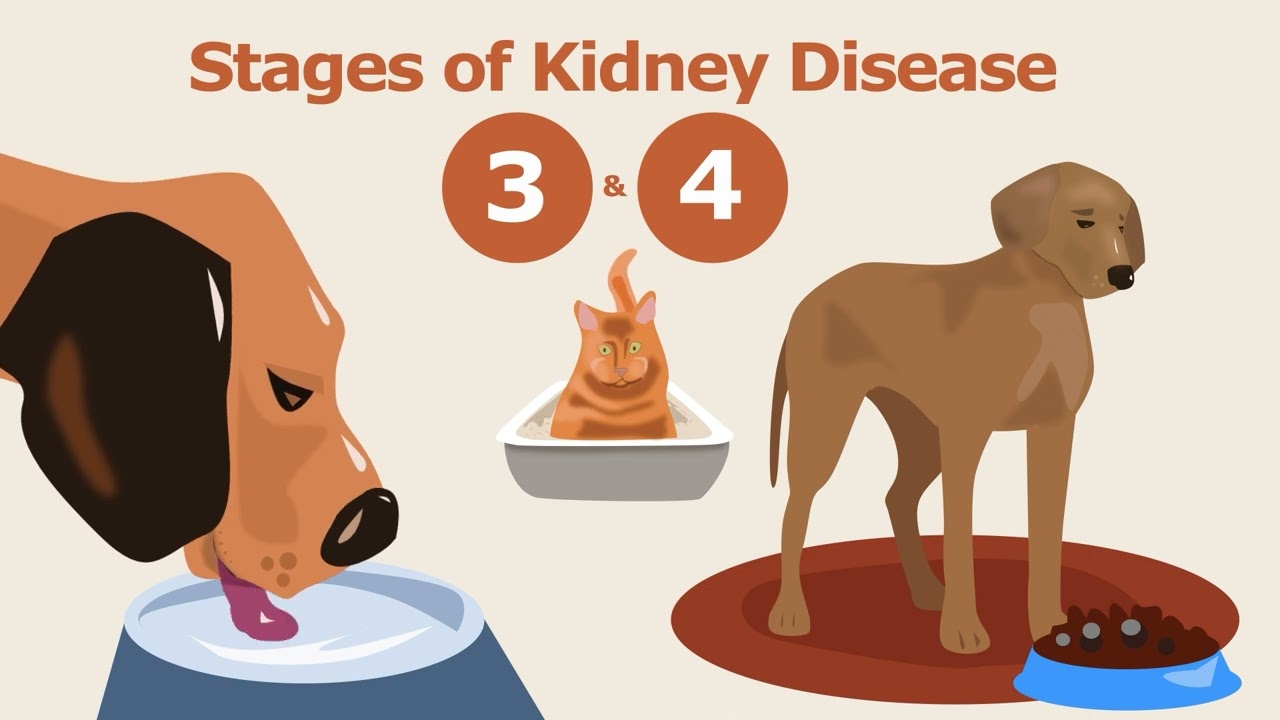
Urinary & Renal Health – Dogs



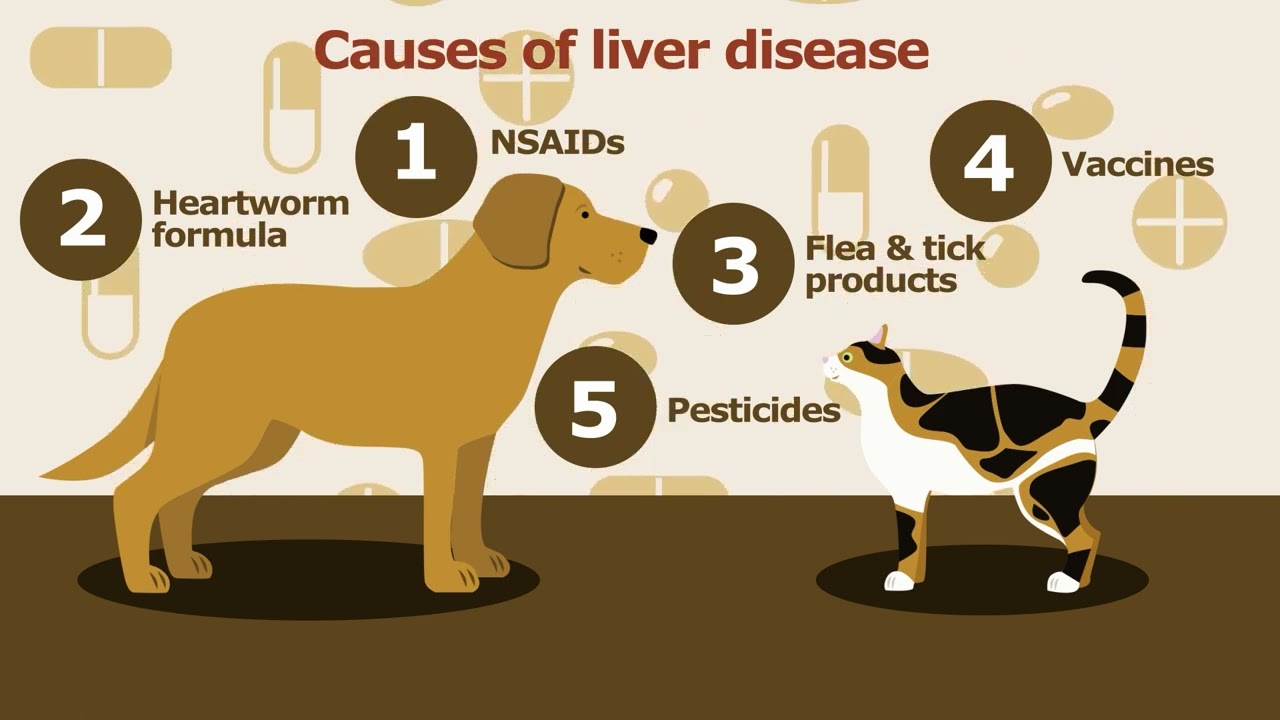
Liver & Endocrine Support – Dogs



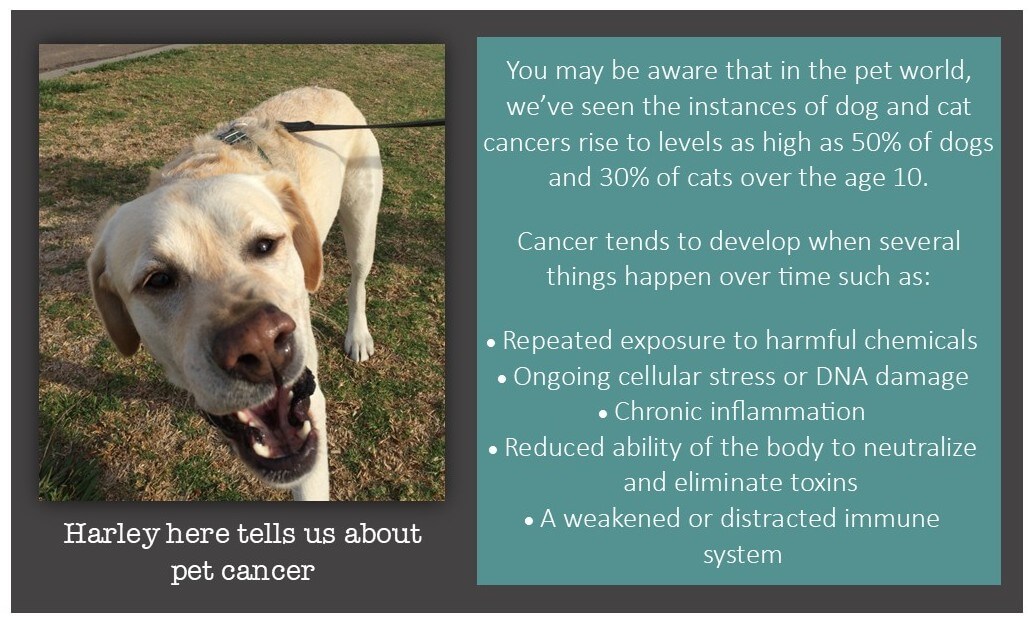
Cancer Support & Immune Resilience – Dogs








Weight Management – Dogs



Allergies & Itch – Cats



Gastrointestinal Health – Cats



Diabetes & Endocrine Health


Behavior & Anxiety – Cats


Weight Management – Cats


Urinary & Renal Health – Cats


Liver & Endocrine Health – Cats


Cancer Support & Immune Resilience – Cats

